Capture expert practice
Assembled top performers to create step-by-step guides, recorded sessions, presentations, and self-learning modules.

Case study 12 · Knowledge Management
Structured manuals and a searchable knowledge base strengthened onboarding and continuity.
Verbal, person-dependent learning was replaced by documented training paths, self-learning modules, verified answers, and a centralized knowledge repository.
New hires depended on verbal instruction, experienced employees repeatedly answered the same questions, and critical process knowledge left with departing staff. Training quality varied by trainer, onboarding was slow, and the organization had no reliable continuity mechanism.
The work was organized around a small number of operating choices that could be governed, measured, and repeated—not a collection of disconnected initiatives.
Assembled top performers to create step-by-step guides, recorded sessions, presentations, and self-learning modules.
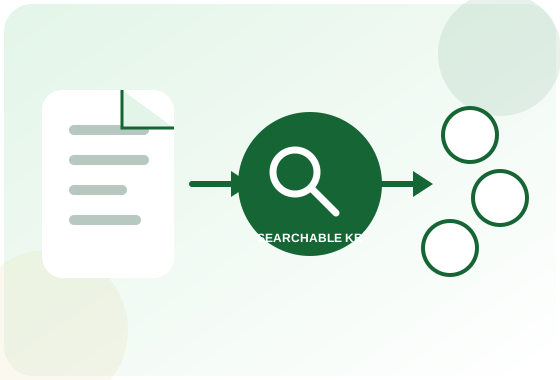
Built a searchable web-based repository with common questions and answers validated by designated subject-matter experts.
Introduced defined timelines, independent learning, evaluation, and clear role-based documentation.
Recommended regular updates, usage analytics, quizzes, and feedback to keep content current and useful.
Employees learned from the same structured materials rather than variable verbal instruction.
Teams could find answers directly, reducing interruption of experienced staff.
Critical operating knowledge remained available through attrition and organizational change.