Centralize the queue
Created a shared dashboard for open tickets, resource availability, ideal processing time, and recent activity.

Case study 09 · Workflow Automation
Transparent, rules-based assignment replaced manual ticket picking and perceived favoritism.
A centralized queue-management system matched tickets by age, priority, skill, and availability—balancing workload while improving accountability and service consistency.
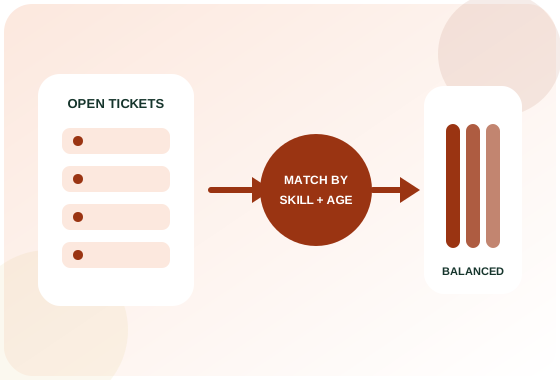
Team members manually selected tickets, which created uneven workloads, weak prioritization, and perceptions of favoritism. Managers lacked a real-time view of open work and available capacity, while older or more urgent requests could be overlooked.
The work was organized around a small number of operating choices that could be governed, measured, and repeated—not a collection of disconnected initiatives.
Created a shared dashboard for open tickets, resource availability, ideal processing time, and recent activity.
Allocated work using oldest-ticket-first rules, priority, skill matching, and real-time availability.
Allowed everyone to see queue status and assignment logic, reducing ambiguity and manager discretion.
Used queue age and processing expectations to keep attention on time-critical work.
Work was distributed evenly and favoritism complaints fell to zero.
SLA compliance reached 100% and adherence to queue rules reached 98%.
Employees could trust the allocation process and focus on execution rather than perceived unfairness.